



While there are various theories regarding its origins, the art of Kintsugi is believed to have been established in Japan during the 15th century, approximately 600 years ago.
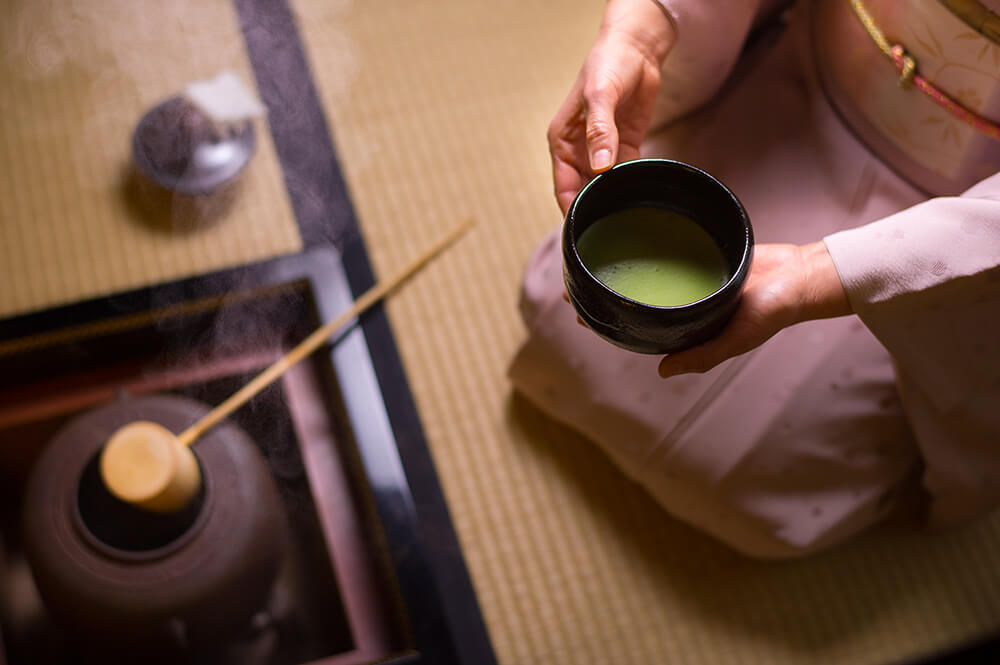
This was the Muromachi period, a time when a culture of repairing and cherishing broken ceramics first took root. During the same era in France—the Late Middle Ages—Gothic architecture and the arts were flourishing under the monarchy. In Japan, this period saw the rise of the “Way of Tea” (Chanoyu), where the aesthetic value of tea utensils became deeply significant.
It was within this refined atmosphere that Kintsugi was born. Rather than concealing cracks or chips, it embraced them, transforming imperfections into expressions of beauty. Over time, Kintsugi became intertwined with the Japanese philosophy of Wabi-sabi, evolving from a simple repair technique into a profound cultural practice of “bestowing new value upon the broken.”
The Philosophy of Kintsugi
At its core, Kintsugi is not merely about restoring a broken object to its original state. It is an embrace of the time and story the object has lived, weaving its past into a future. This ethos resonates deeply with French culture, which cherishes heritage and the preservation of history.
In this light, a crack or a chip is never a flaw. It becomes a unique hallmark of the object’s identity—a testament to its journey and a celebration of its inherent value.
Modern Significance
Today, through the lens of sustainability, this philosophy has gained global attention, and Kintsugi has become widely recognized as one of Japan’s most iconic traditional techniques.
Comments