



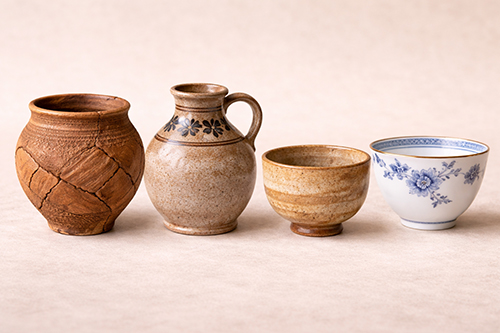
When practicing Kintsugi, the first and most important step is to understand the material of the object you are repairing.
Although we often use the single word “ceramics,” it actually refers to a wide range of materials with very different properties, such as composition, firing temperature, strength, and porosity.
Understanding these differences allows you to choose the most appropriate repair method and to respect the nature of each piece.
Ceramics are generally divided into four main categories:
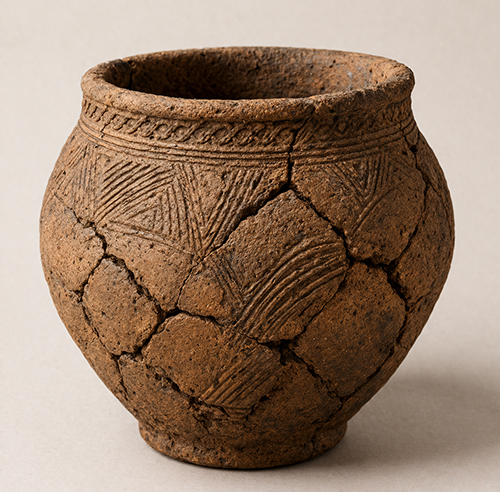
1. Earthenware (Doki)
Earthenware is made from clay and fired at relatively low temperatures (approximately 700–900°C).
Because it is usually unglazed, its surface remains porous and more fragile to impact.
Traditional Japanese Jōmon and Yayoi pottery are typical examples.
It has been widely used throughout history for everyday objects due to its simplicity and low cost.
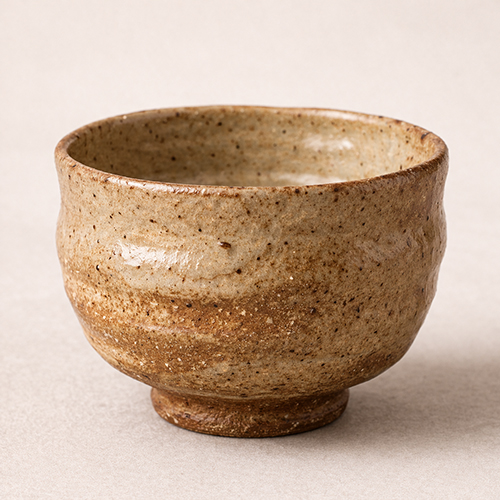
2.Stoneware (Sekki)
Stoneware sits between earthenware and porcelain in terms of properties.
Fired at high temperatures (around 1200°C), it becomes dense, strong, and nearly waterproof.
It is highly durable and well-suited for daily use.
In Japan, examples include Shigaraki ware and Tokoname ware.
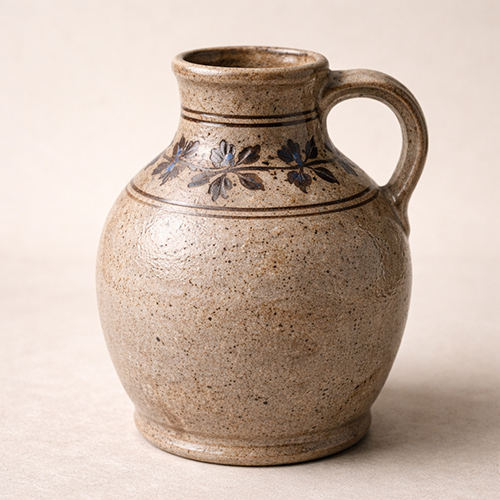
3. Faience / Earthenware with Glaze (Tōki)
Faience is made from clay and coated with a glaze.
While the glazed surface is waterproof, the body itself remains slightly porous.
It is characterized by its opaque appearance, soft texture, and decorative richness.
In France, production from Gien is a well-known example.
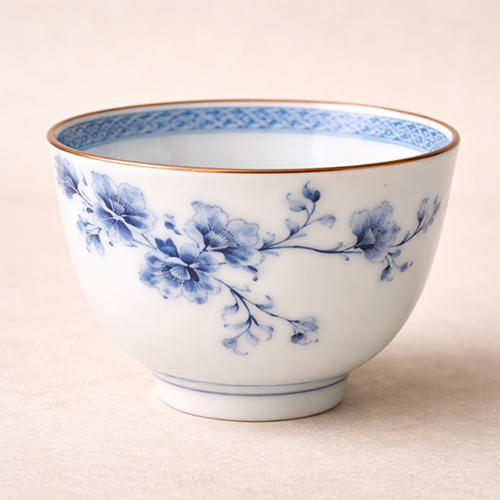
4. Porcelain (Jiki)
Porcelain is considered the most refined type of ceramic, typically made from kaolin and feldspar.
Fired at very high temperatures (around 1200–1400°C), it becomes vitrified, extremely hard, and non-porous.
One of its most distinctive features is its translucency.
Japan is known for Arita ware, while France is renowned for porcelain from Sèvres and Limoges.
Comments