



2026– date –
-

Urushi as Contemporary Art
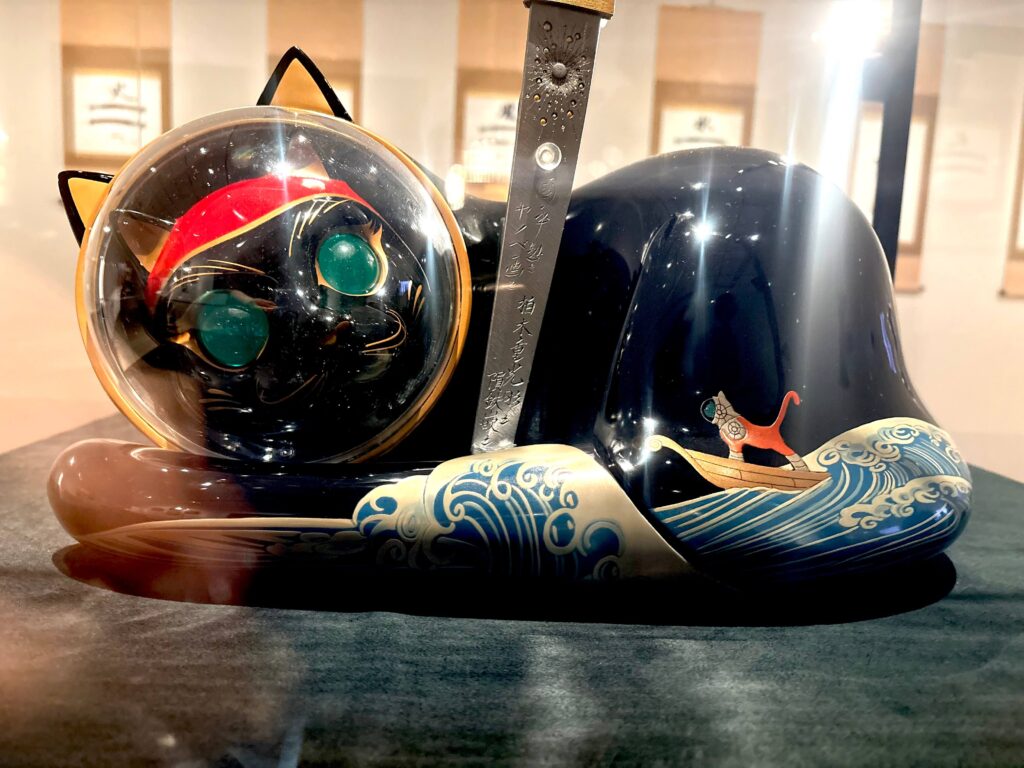
I visited the exhibition “Chambers of Wonder: We Shall Vanish — Yasumasa Morimura, Kenji Yanobe, Miwa Yanagi” at Nakanoshima Museum of Art, Osaka. I was especially drawn to the contemporary artworks using urushi lacquer. Seeing lacquer n... -
Rust polishing method
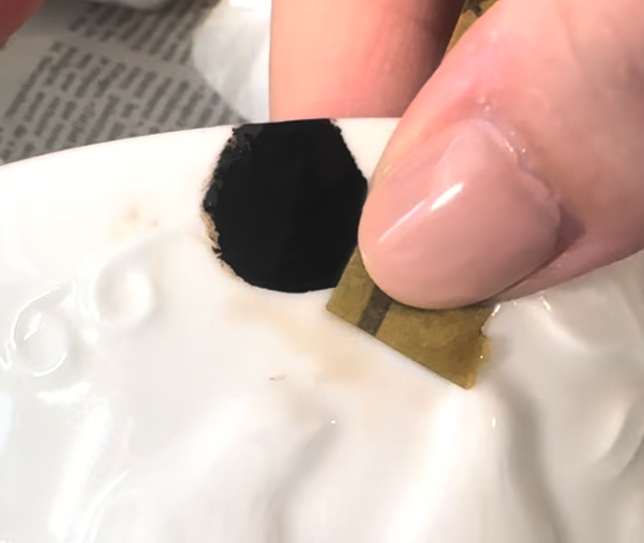
Using fine-grit sandpaper, horsetail (tokusa), or charcoal ink, gently polish the sabi-urushi surface while applying water. Avoid rubbing too hard, as excessive force may distort the shape. Carefully check the surface condition and uneve... -
Rust application on the chipped area
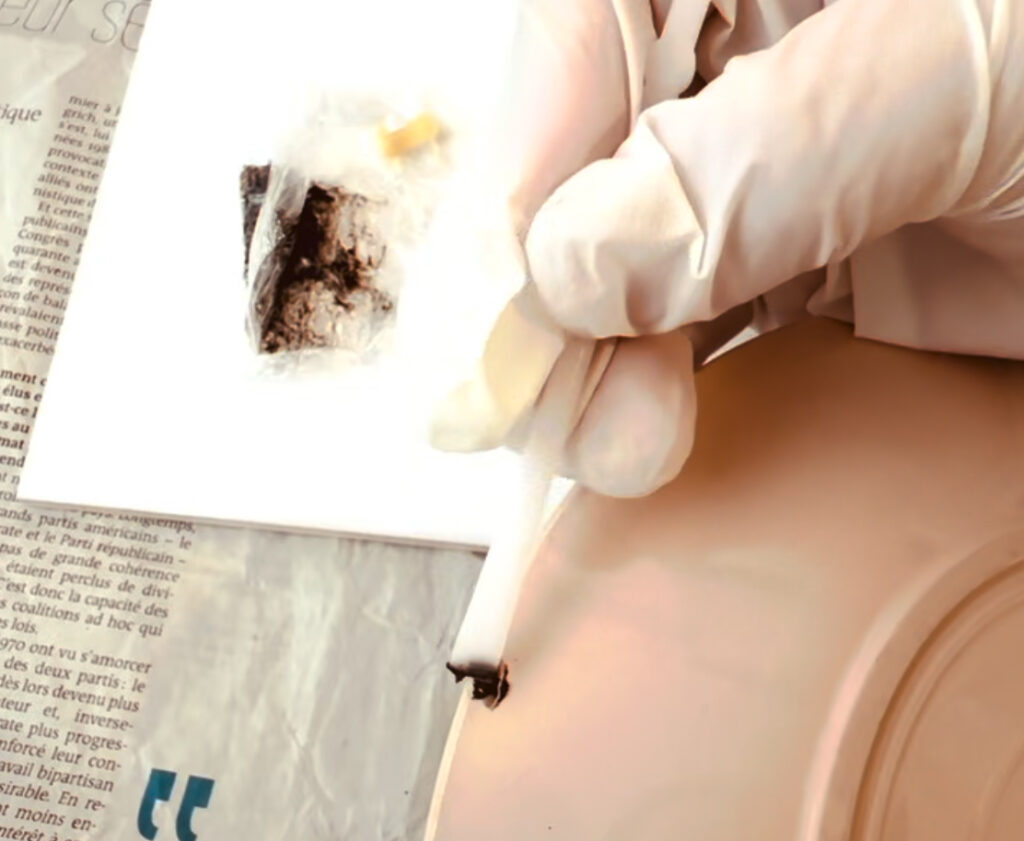
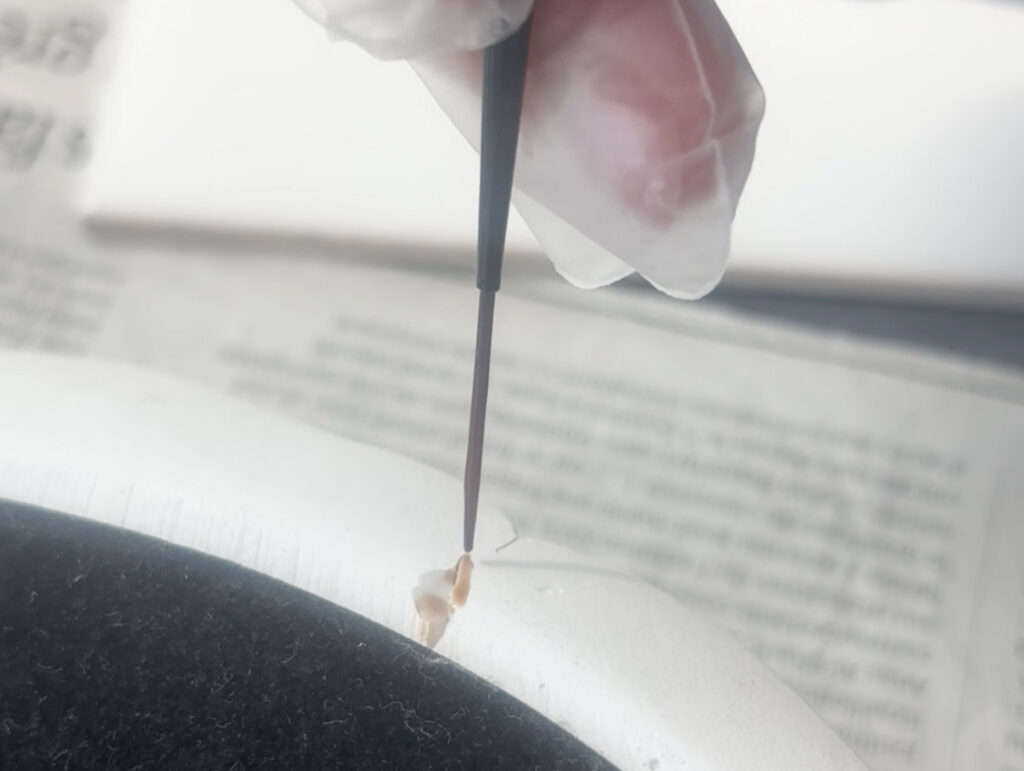
Apply the rust mixture firmly, pressing it in with a spatula.Some people leave it thick and shape it later by sanding, but if you roughly shape it at this stage, the sanding process becomes much easier. https://youtube.com/shorts/pU9N2Eh... -
How to Make Sabi Urushi.
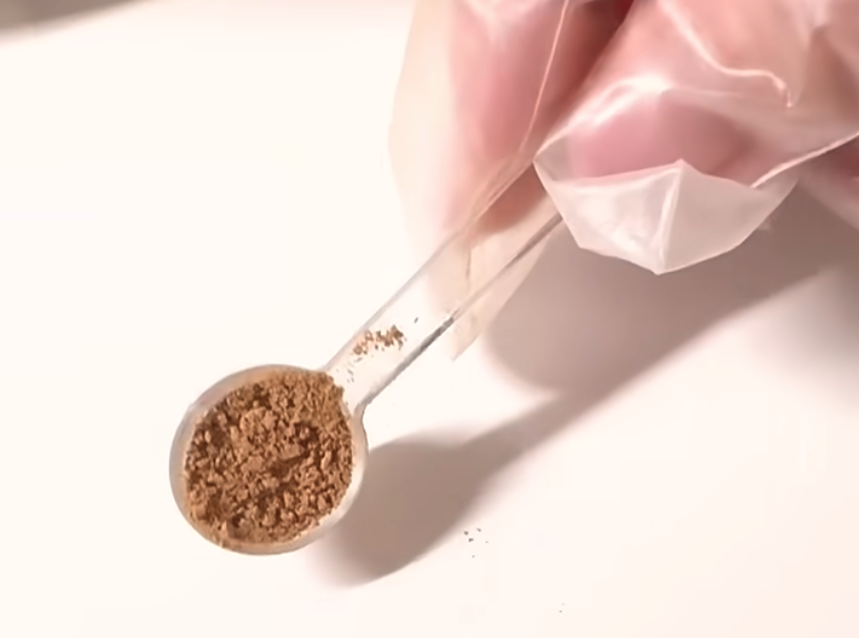
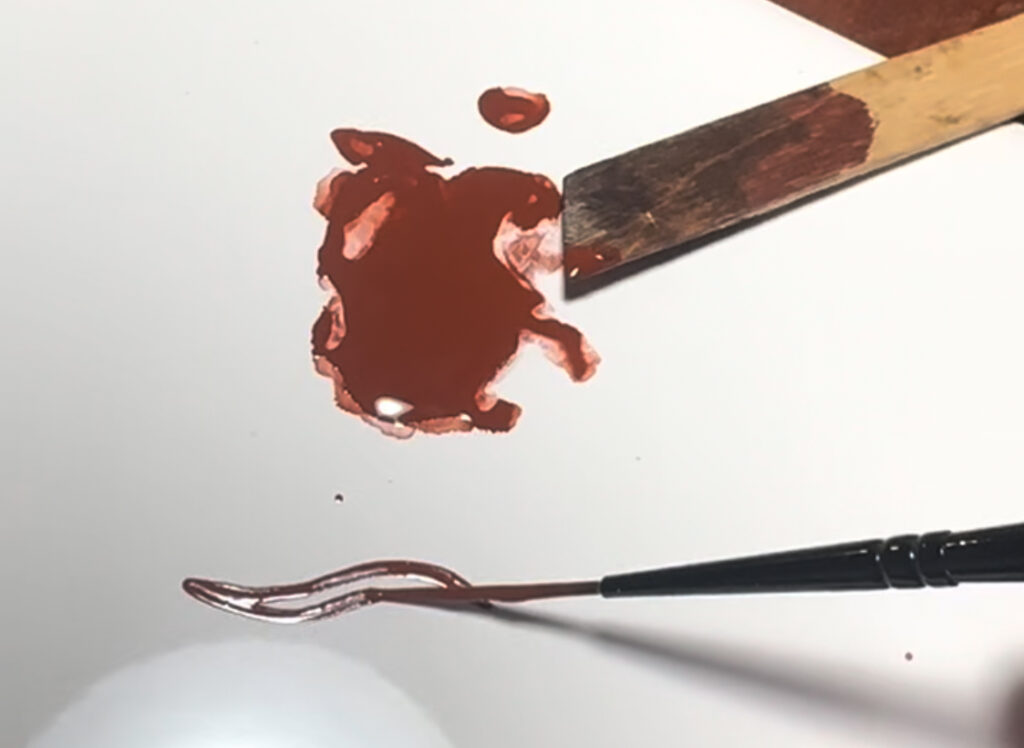
STEPPrepare tonoko powder. When taking out the powder, gently press it down before scooping. STEPPlace the tonoko powder on a work board and grind it finely with a spatula. Turn the powder into a finer texture. You can also sift it befor... -
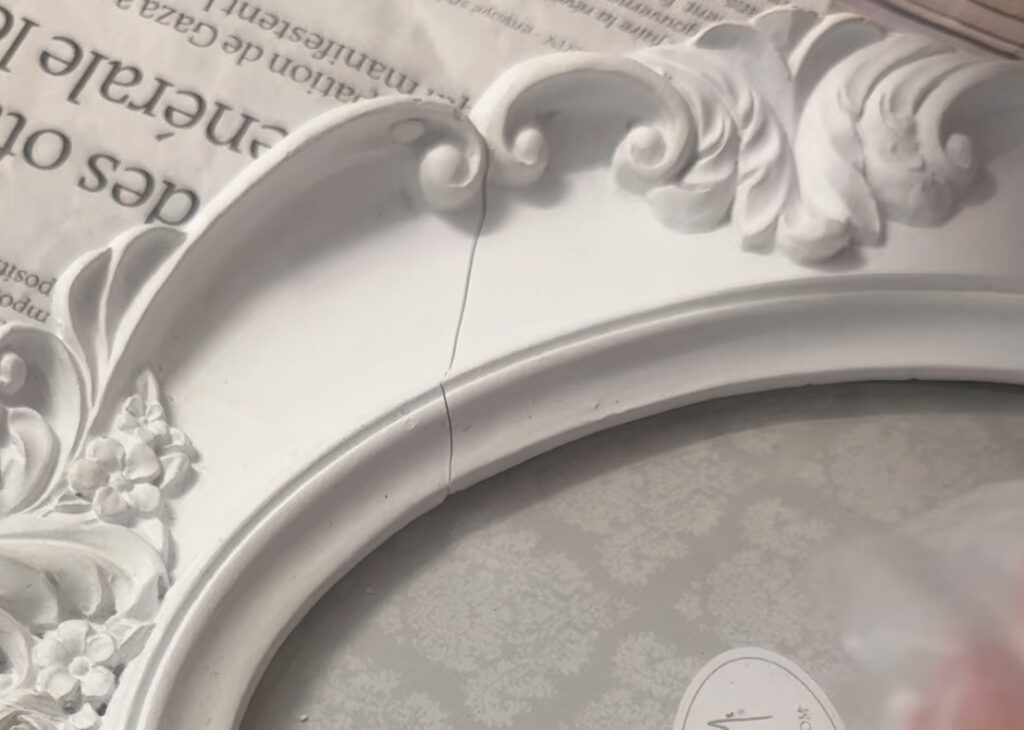
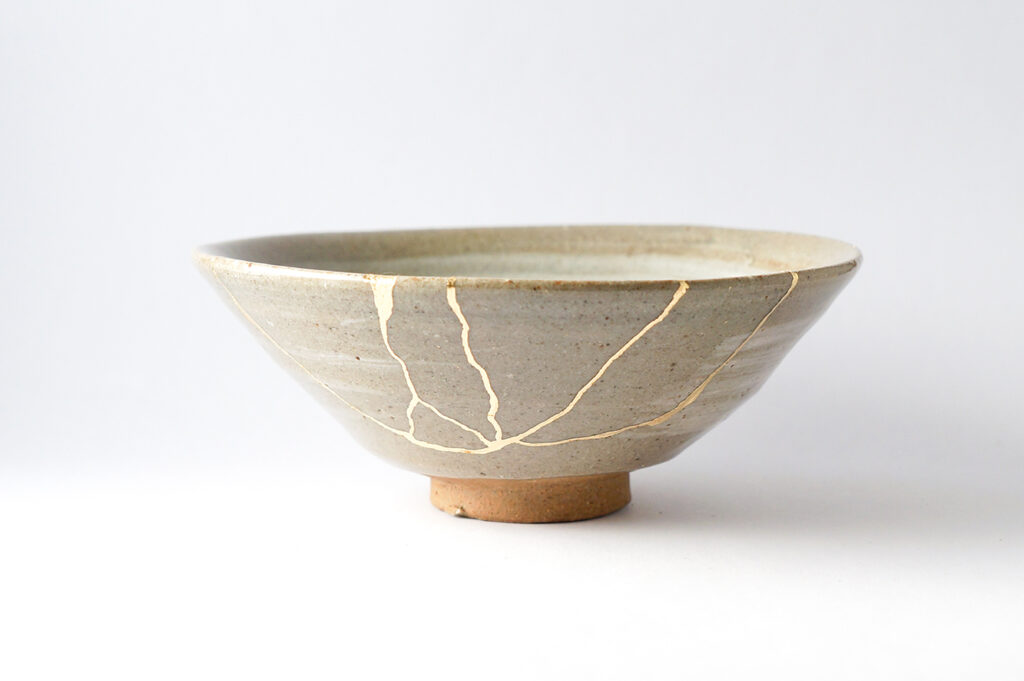
Repairing a broken photo frame with kintsugi.Clean the object before starting the repair.|In kintsugi, cracks are repaired by filling them with raw urushi.
First, carefully wipe away any dust or dirt from the surface of the vessel.(for reference:https://makie-kintsugi.com/en/17042026en/)Then, slightly dilute the raw urushi and use a fine brush, holding it upright as you work. Allow the r... -
Repairing a broken photo frame with kintsugi.Clean the object before starting the repair.
If the piece is already clean and simply broken, there is no need to wash it entirely.Instead, clean only the damaged area using benzine or ethanol to remove any grease or residue. If oil, dust, or moisture remains on the surface, L'urus... -
Kintsugi for Beginners|How to Adjust E-Urushi When It’s Too Thick
This section introduces how to adjust E-Urushi, an essential material for Kintsugi and Maki-e. When urushi becomes too thick and difficult to work with, a very small amount of turpentine oil can be added to achieve a smoother, more worka... -
What is L’urushi? The charm of a natural material essential to kintsugi
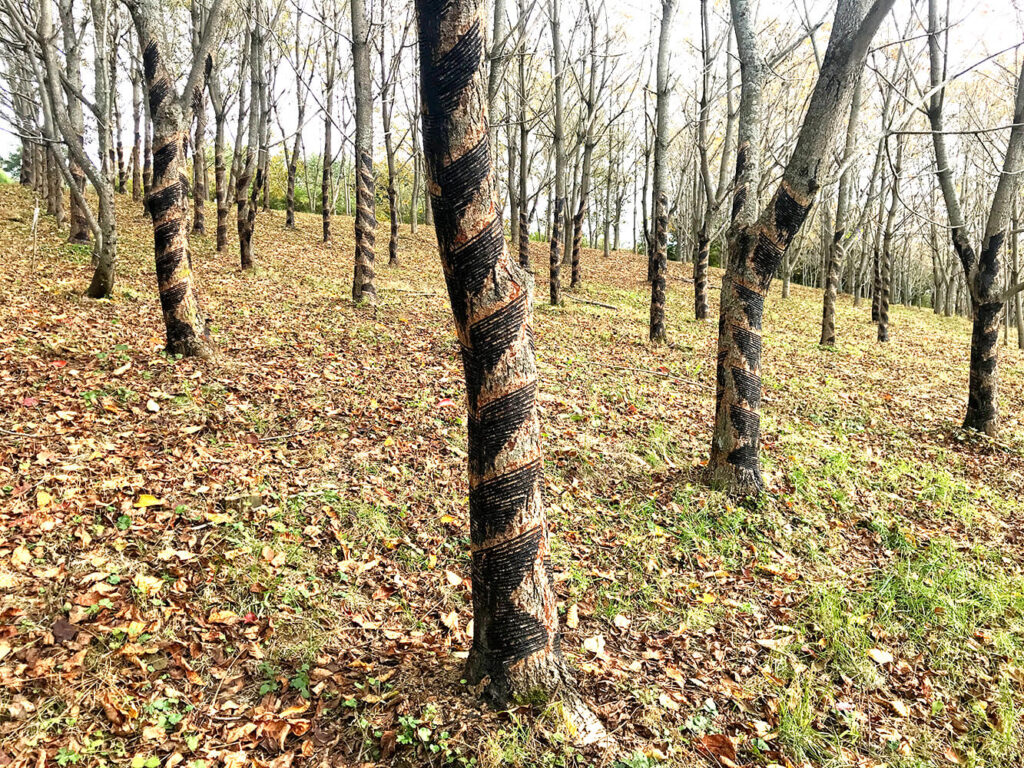
L’urushi is a natural plant-based lacquer native to Asia, made by refining the sap of the lacquer tree.In Japan, it has been used since the Jōmon period, making it a material deeply rooted in history. The bark of lacquer trees, which are... -
Types of Ceramics and Their Characteristics
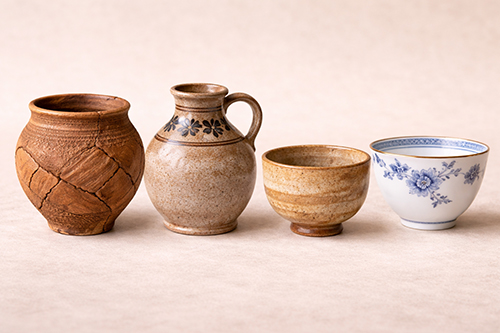
When practicing Kintsugi, the first and most important step is to understand the material of the object you are repairing.Although we often use the single word “ceramics,” it actually refers to a wide range of materials with very differe... -
Care Guide for Kintsugi Ware
A *Kintsugi*-repaired piece is not ready for daily use immediately upon completion. Since natural *Urushi* lacquer cures slowly over time, these objects require a little extra tenderness and care. Here is a guide on how to care for your ...
12