



column
-

Types of Ceramics and Their Characteristics
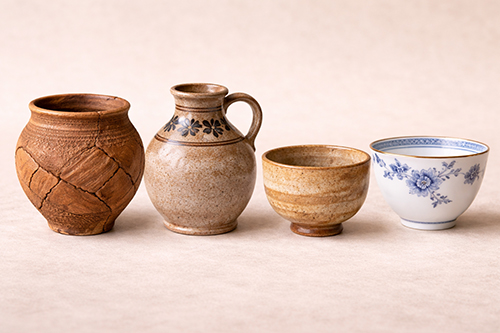
When practicing Kintsugi, the first and most important step is to understand the material of the object you are repairing.Although we often use the single word “ceramics,” it actually refers to a wide range of materials with very differe... -
Care Guide for Kintsugi Ware
A *Kintsugi*-repaired piece is not ready for daily use immediately upon completion. Since natural *Urushi* lacquer cures slowly over time, these objects require a little extra tenderness and care. Here is a guide on how to care for your ... -
Modern vs. Traditional: The Essence of Kintsugi
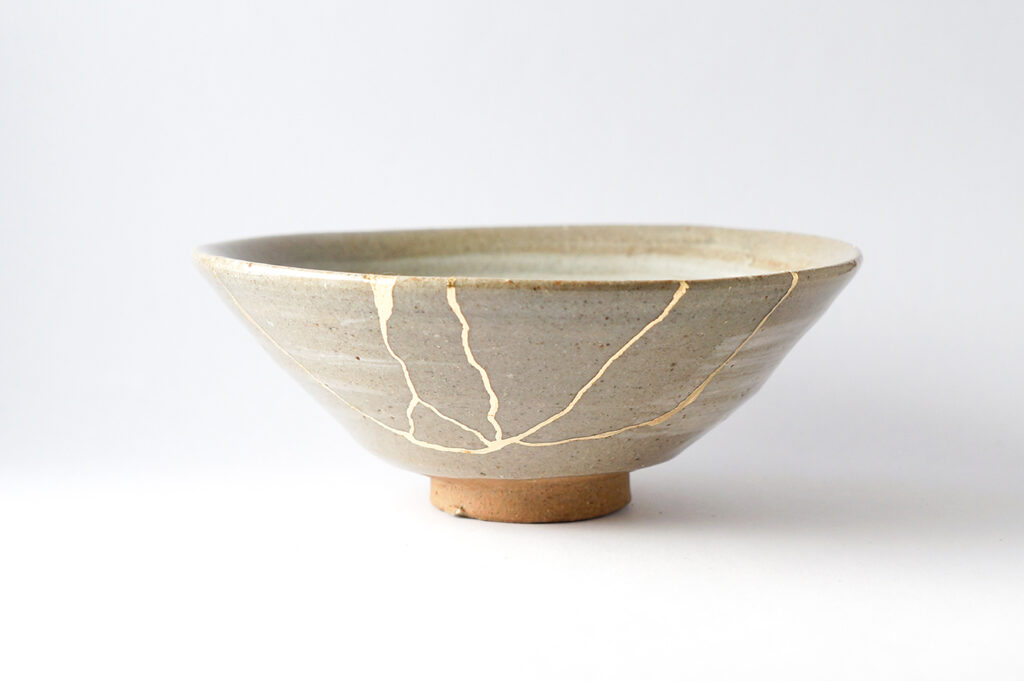
*Kintsugi* has become widely recognized as a beautiful method for repairing broken ceramics. However, today, there are two fundamentally different approaches: "Modern (Simplified) *Kintsugi*" and "Traditional *Hon-Urushi Kintsugi*."While... -
The History of Kintsugi
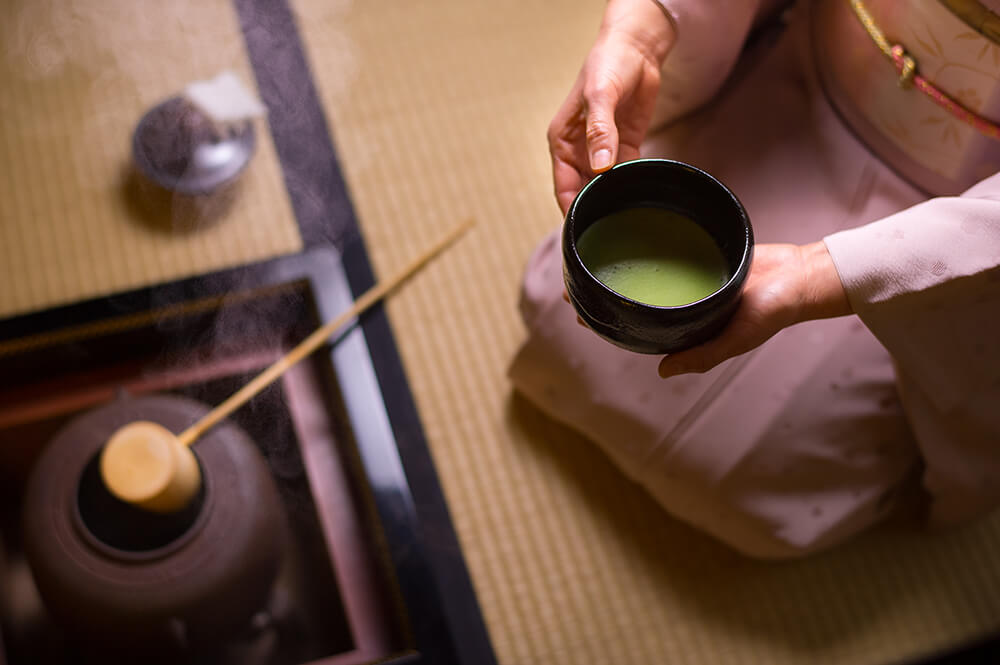
While there are various theories regarding its origins, the art of Kintsugi is believed to have been established in Japan during the 15th century, approximately 600 years ago. This was the Muromachi period, a time when a culture of repai...

12